100 Years of a Building, A Future for Our People
From Segregation to Sovereignty: A Century of Change
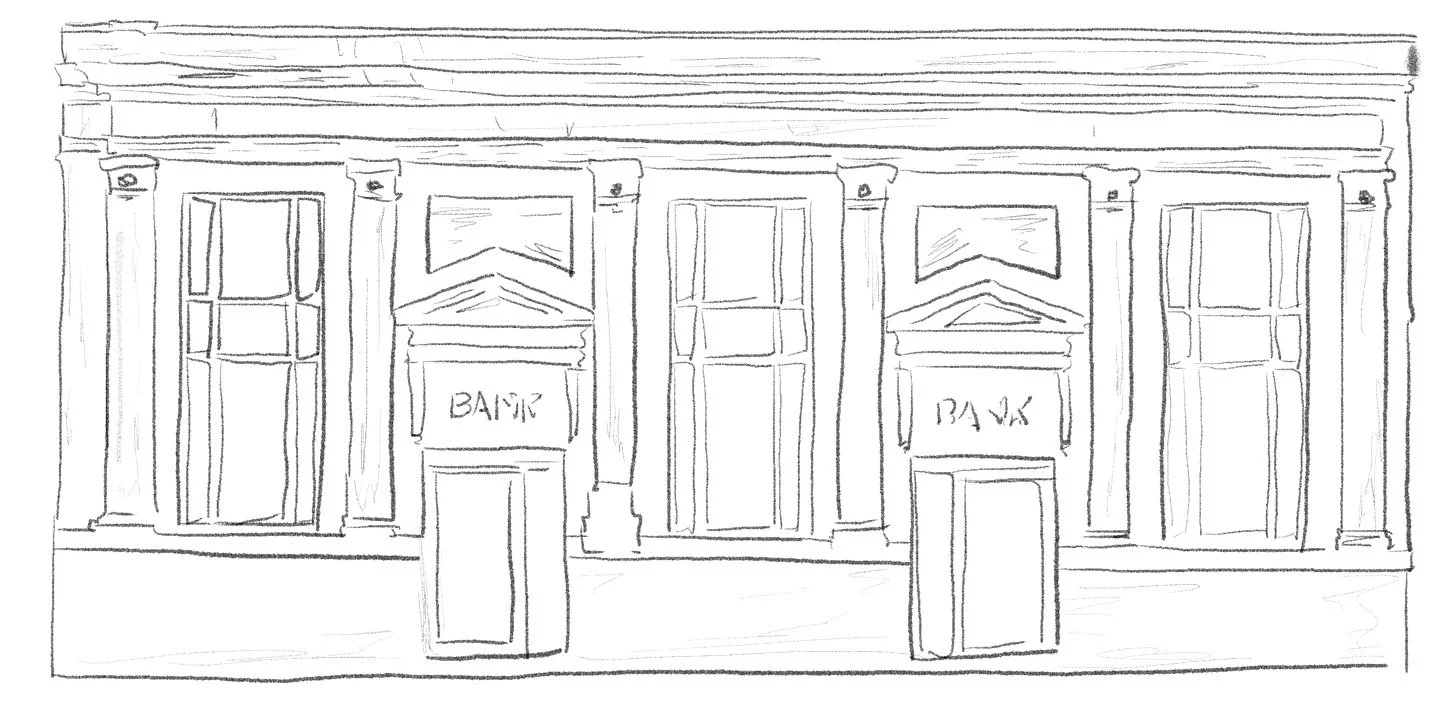
This month, we celebrate a remarkable milestone: the building where Culture Hub is located has stood for 100 years. Built in 1925 as a bank in the heart of Calle Dos Cinco in Oklahoma City’s Capitol Hill District, its walls hold complicated stories. For decades, it was a segregated space. Black, Brown, and Indigenous people were not welcome inside, not allowed to open accounts or do business there. The very structure we now gather in once stood as a barrier against our communities.
And yet, today, an Indigenous woman-owned, Two-Spirit-led organization calls this building home. Where exclusion once reigned, rematriation now thrives. There is a special kind of poetic justice in this transformation—one that speaks to the endurance of our people and the power of reclamation.
LIVING CULTURE WITHIN OUR WALLS
When this building was first erected in 1925, life for Indigenous people in Oklahoma carried the heavy weight of displacement. Only a few generations had passed since forced removal from our Southeastern homelands. Families were navigating allotment policies designed to fracture community, the harsh legacy of boarding schools, and ongoing suppression of language and ceremony. To imagine, then, that one hundred years later, our descendants would gather in this very neighborhood to sing, to drum, to speak our languages, to bead and to dance—it is nothing short of extraordinary.
Inside these walls today, you will find culture alive and unbroken. An elder teaching young people the heartbeat of the drum. A circle of relatives sewing beads in patterns that connect us to ancestors. Language learners breathing old words into the air again. Dancers moving in rhythm with tradition and with joy. Community members organizing to protect and honor our undocumented Indigenous relatives. Every day, the building is alive with connection, creativity, and care.
A SACRED RETURN
This is rematriation: the return of space, practice, and dignity to Indigenous stewardship. It is also movement building. To do this work in a place that once rejected us is to embody transformation. Movement building is not abstract—it is rooted in relationships, in reciprocity, in healing what was broken and planting what will nourish generations to come.
We do this not only with an eye on the past but with a vision for the future. Indigenous futures are not just dreams—they are already being built here, in classrooms and drum circles, in circles of care, in stories told across generations. Our future is one of balance, of reverence for tradition and respect for neighbors, of love and honor for all relations.
As we mark a hundred years of this building, we honor its complicated past and celebrate its vibrant present. Most of all, we look forward—to the futures we are building together.